
Automatic Tapper | Proven Tips for Better Performance

Automation is most effective when every action is performed with consistency. Repeating the same touch input hundreds of times manually often produces different results because speed, accuracy, and timing naturally change over time. An automatic tapper removes these variations by executing predefined actions with predictable intervals and stable performance.
With Simple Auto Clicker, automation is designed to improve workflow quality rather than simply increase tapping speed. A well-configured automatic tapper helps users create repeatable processes that reduce manual effort while maintaining accuracy across repetitive tasks. Whether the goal is testing, productivity, accessibility, or routine interaction, performance depends on how the automation is configured and how well it works with the device.
This guide explains the factors that influence automation performance and the practical steps that help build faster, smarter, and more reliable workflows.
text
                         Device Performance Factors
                                   │
      ┌────────────────────────────┼────────────────────────────┐
      │                            │                            │
      ▼                            ▼                            ▼
Display Refresh Rate         Available RAM         Battery Performance
      │                            │                            │
      └──────────────┬─────────────┴─────────────┬──────────────┘
                     │                           │
                     ▼                           ▼
          Background Applications     Android Optimization
Why Consistency Beats Manual Speed
Many users assume that tapping faster automatically produces better results. In reality, consistency has a much greater impact on automation quality than speed alone.
Manual tapping naturally changes over time. Fatigue, distractions, and inconsistent timing make repeated actions less reliable during long sessions. Even small variations between taps can affect the overall workflow.
An automatic tapper removes these inconsistencies by maintaining the same execution pattern from the beginning of the sequence to the end. Every interaction follows the configured timing instead of relying on changing human input.
Using Simple Auto Clicker, users can create workflows where accuracy remains consistent regardless of how long the automation runs. Instead of constantly adjusting manual input, the system follows the predefined sequence without interruption.
How Automatic Tappers Improve Workflow Efficiency
A well-designed workflow removes unnecessary repetition without reducing user control. This is where an automatic tapper becomes a practical productivity tool rather than simply an automation utility.
Instead of repeating the same interaction manually, automation handles repetitive touch actions while users focus on decision-making and higher-value activities.
Some of the biggest workflow improvements include:
Faster Repetitive Execution
Routine actions no longer require constant manual interaction. Once the sequence is configured correctly, repetitive tasks are completed with consistent timing.
Better Process Accuracy
Automation follows the same instructions every time, reducing mistakes that often occur during repetitive manual work.
Reduced Physical Effort
Long tapping sessions can create unnecessary hand fatigue. A properly configured automatic tapper minimizes repetitive movement while maintaining full workflow control.
Improved Task Repeatability
Many workflows require the exact same interaction pattern every time. Automation ensures every cycle follows identical steps without variation.
Within Simple Auto Clicker, these improvements come from thoughtful configuration rather than maximum execution speed.
Performance Settings That Produce Better Results
Automation performance depends on more than pressing the Start button. Several settings directly influence how smoothly an automatic tapper performs throughout the workflow.
Tap Interval
↓
Tap intervals should match the application’s response speed rather than using the shortest possible delay. Balanced timing improves stability and reduces missed interactions.Tap Duration
↓
Different interfaces recognize touch input differently. Adjusting tap duration helps ensure every interaction is registered correctly without creating duplicate actions.Loop Configuration
↓
Instead of relying on unlimited repetition, define loop conditions that match the intended workflow. Controlled execution prevents unnecessary resource usage and improves predictability.
Position Accuracy
↓
Every tap point should be verified before running long automation sessions. Small positioning errors can gradually disrupt an otherwise stable sequence.
Execution Testing
↓
Running a short test before full automation helps identify timing or positioning issues early, reducing interruptions during longer sessions.
These adjustments allow Simple Auto Clicker to execute automation more reliably while helping the automatic tapper maintain stable performance across repeated workflows.
Device Factors That Affect Automation
Even with excellent configuration, overall performance still depends on how the device handles automated interactions. The operating environment directly influences workflow stability.
text
                     Device Performance Factors
                                │
        ┌───────────────────────┼───────────────────────┐
        │                       │                       │
        ▼                       ▼                       ▼
Display Refresh Rate      Available RAM        Battery Performance
        │                       │                       │
        ▼                       ▼                       ▼
Smoother screen        Better memory         Stable performance
updates improve        management keeps      without aggressive
automation timing      automation steady     power restrictions
                                │
                                ▼
                   Background Applications
                                │
                                ▼
              Close unnecessary apps to free
              CPU and memory resources
                                │
                                ▼
                    Android Optimization
                                │
                                ▼
          Configure system optimization settings
          to keep automation running consistently
A reliable automation setup combines correct software settings with a well-prepared device environment.
Common Performance Bottlenecks
Even a well-configured automation setup can experience performance drops when certain factors are overlooked. Instead of increasing tap speed, it is more effective to identify the elements that interrupt workflow consistency. The following checkpoints help maintain smooth automation performance.
1. Excessive Tap Speed
Setting extremely short tap intervals may seem faster, but many applications require time to process each action. Matching the interval to the application’s response creates more reliable automation.
2. Incorrect Tap Position
If the tap point is even slightly misaligned, the workflow can repeatedly interact with the wrong screen element. Verifying tap locations before starting long sessions improves overall accuracy.
3. Too Many Background Processes
Applications running in the background consume RAM and processing power, which may affect automation responsiveness. Closing unnecessary apps helps create a more stable environment.
4. Poor Loop Configuration
Unlimited loops are not always the best option. Defining a clear repetition count or stop condition keeps the workflow organized and prevents unnecessary resource usage.
5. Device Power Restrictions
Battery optimization and operating system restrictions can slow or interrupt automation. Reviewing these settings before execution helps maintain consistent performance.
By addressing these common bottlenecks, an automatic tapper performs more predictably and delivers smoother results throughout longer automation sessions.
Long-Term Maintenance for Stable Automation
Reliable automation is not achieved through a one-time setup. As applications receive updates and devices change over time, reviewing automation settings periodically helps maintain consistent performance.
Users should also organize and save frequently used automation profiles. Instead of creating new configurations for every task, maintaining well-tested profiles improves efficiency and reduces setup time. An automatic tapper becomes significantly more reliable when workflows are refined instead of rebuilt from scratch.
Regular testing is another valuable practice. Running a short verification before long automation sessions helps identify any timing or positioning issues early, preventing larger interruptions later.
What’s Next for Intelligent Mobile Automation
Automation is evolving beyond fixed tap sequences into systems that can adapt to changing workflows. Future developments are expected to focus on making automation more intelligent, flexible, and responsive.
Adaptive timing is another area of development. Rather than using a fixed interval, an automatic tapper could adjust its execution speed according to application response times. This would improve workflow stability across different devices and varying performance conditions.
With solutions like Simple Auto Clicker, these innovations are expected to make automation more accessible while giving users greater flexibility to build reliable workflows with less manual configuration.
Conclusion
An automatic tapper delivers its best performance when accuracy, timing, and workflow design work together. Simply increasing tapping speed rarely improves results; stable execution and thoughtful configuration create far more reliable automation.
Throughout this guide, we’ve explored how workflow consistency, optimized settings, device performance, and ongoing maintenance all contribute to better automation. Each of these factors plays an important role in ensuring that repetitive tasks are completed efficiently without unnecessary interruptions.
Simple Auto Clicker provides the flexibility needed to build structured automation that adapts to different workflows instead of relying on one-size-fits-all settings. By reviewing configurations regularly, optimizing device performance, and refining automation profiles over time, users can keep their workflows stable as applications and devices evolve.
As automation technology continues to advance, the role of an automatic tapper will extend beyond repetitive tapping toward more adaptive and intelligent interaction systems. Users who focus on workflow quality rather than raw speed will be better prepared to take advantage of these improvements while maintaining reliable performance across everyday tasks.
Try the setup from this post
Free, element-aware, three permissions, no tracking. About 30 seconds from install to your first run.
Related posts

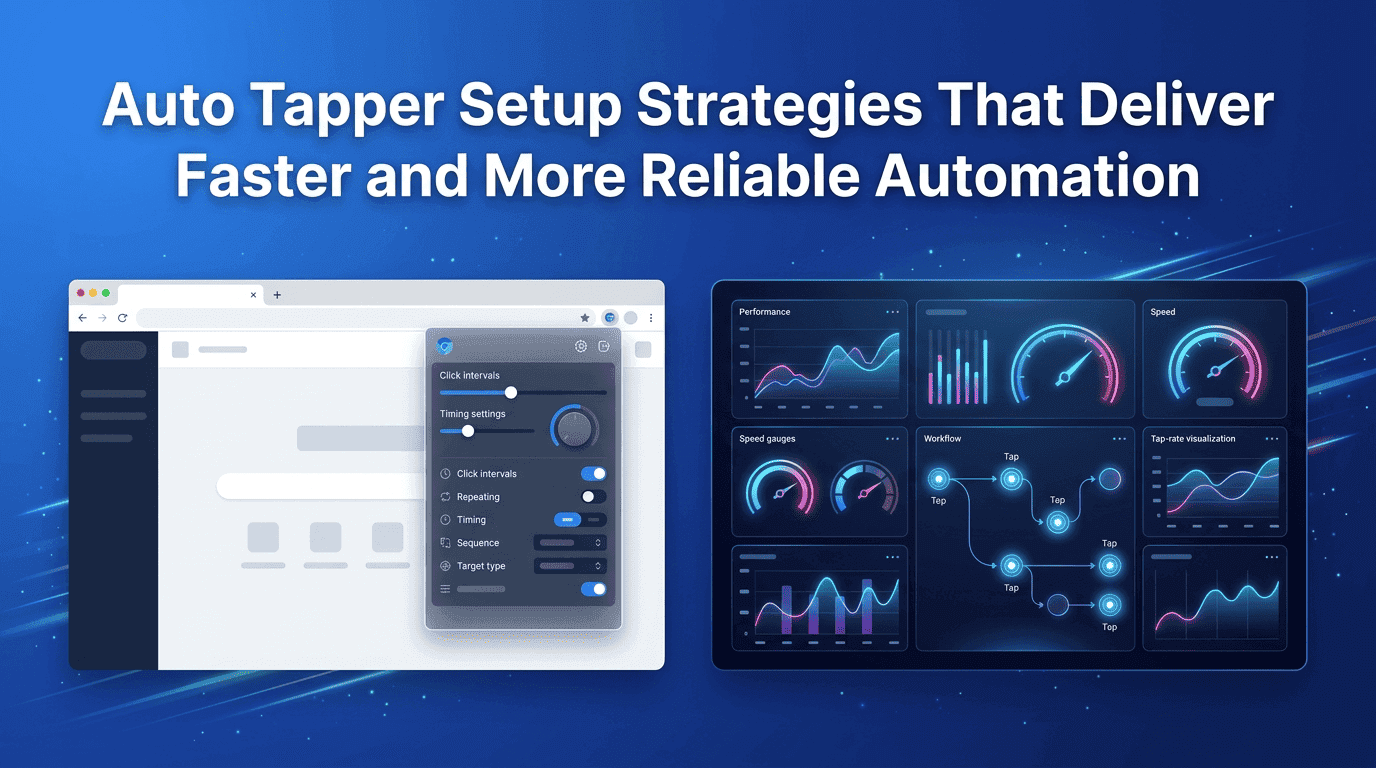
Auto Tapper Setup Strategies That Deliver Faster and More Reliable Automation
Achieve faster task completion by replacing manual taps with Auto Tapper.
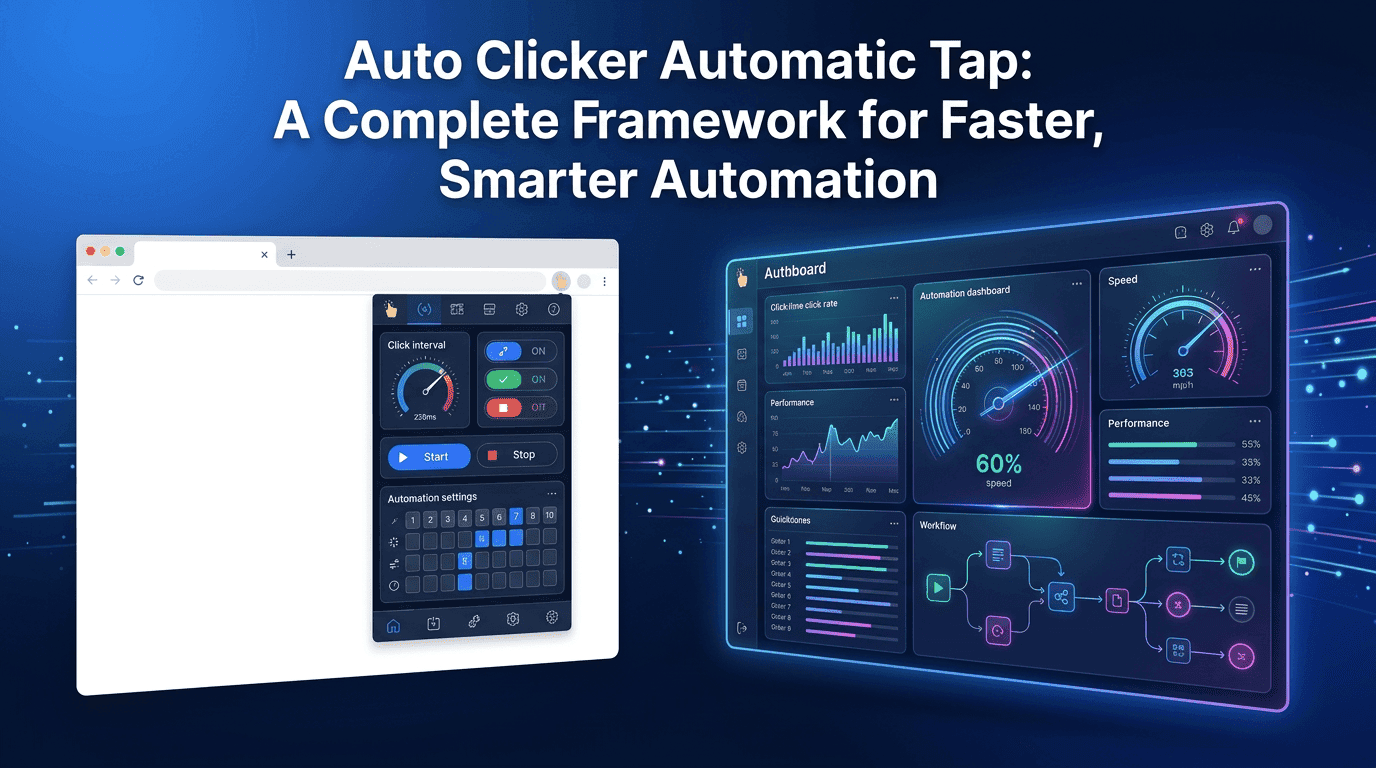
Auto Clicker Automatic Tap: A Complete Framework for Faster, Smarter Automation
Improve workflow efficiency using advanced auto clicker automatic tap features.